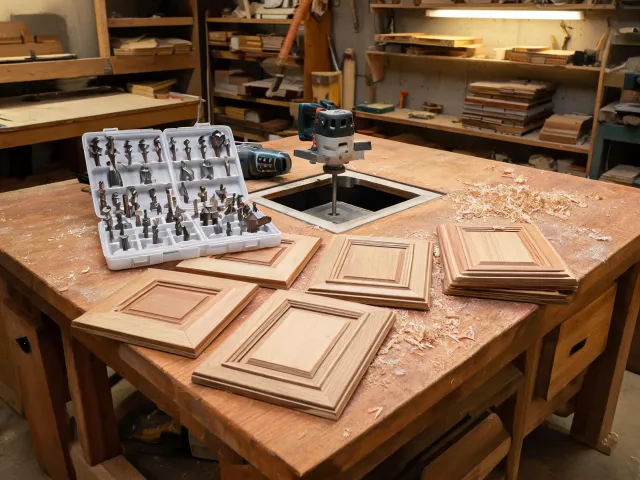
Cabinet and Millwork Shops
Door profiles, flush trimming, plywood sizing, and finish cuts need a clear bit and blade path so repeated parts stay consistent from first setup to final assembly.
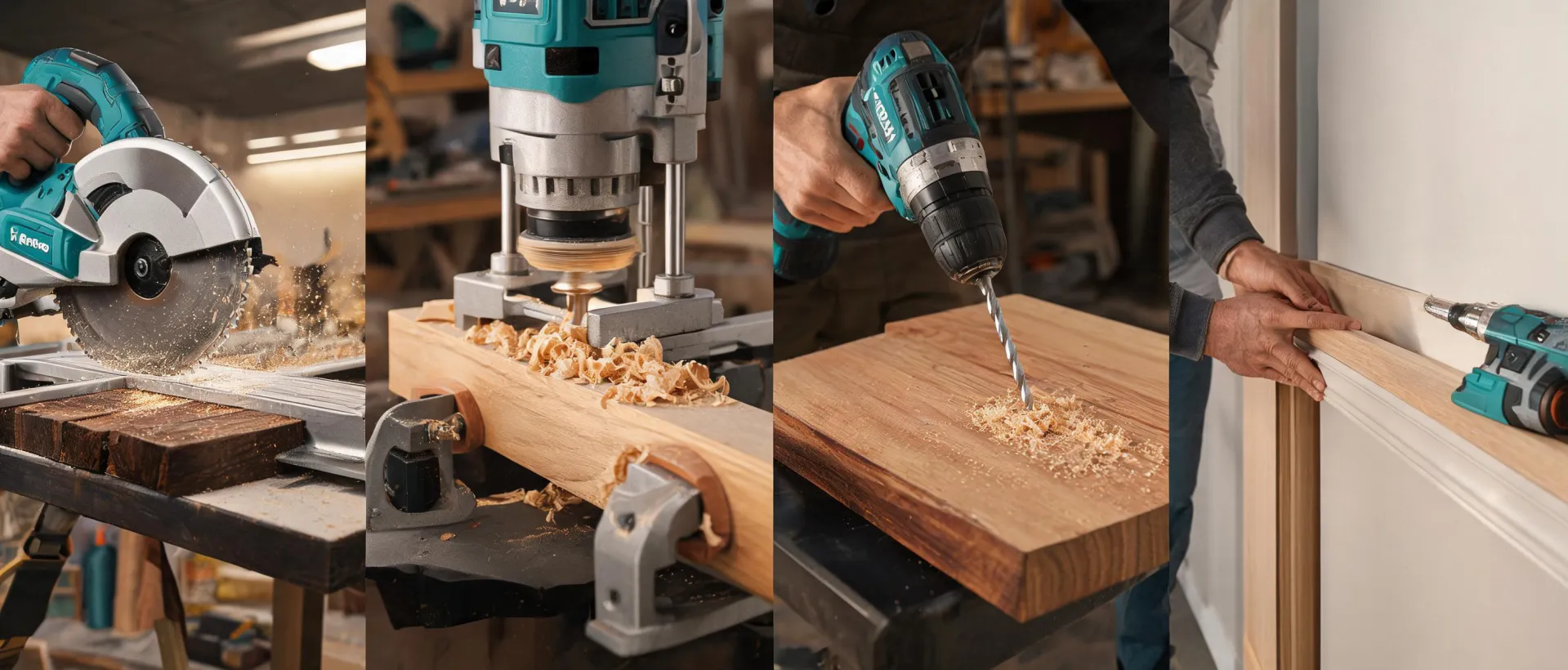
Freud accessories serve many work settings, but the selection logic remains grounded: identify the material, understand the machine, choose the edge geometry, and protect the finish. That approach keeps the site useful for people who move between a professional shop, a remodel project, a distributor counter, and a maintenance bench.
Door profiles, flush trimming, plywood sizing, and finish cuts need a clear bit and blade path so repeated parts stay consistent from first setup to final assembly.
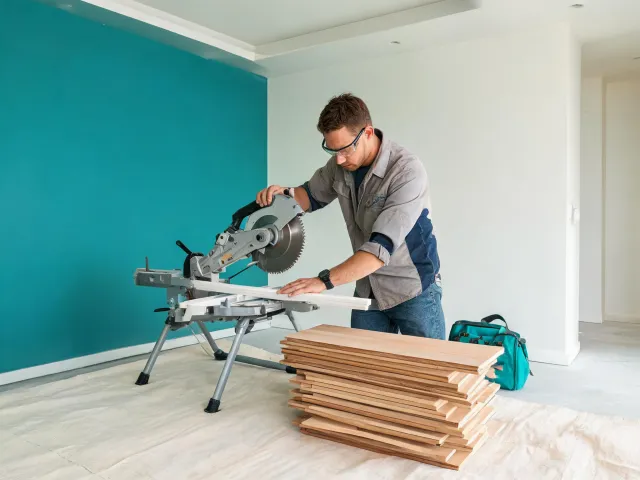
Trim, flooring, panel goods, and punch-list work benefit from blades that reduce tear-out and guide pages that make setup changes quick to explain.
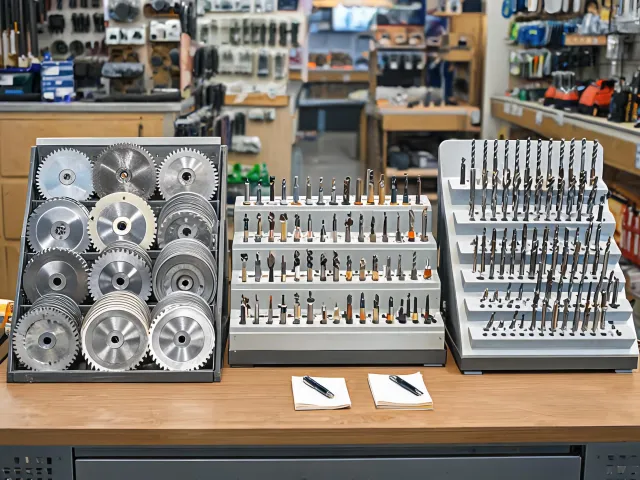
When a customer asks for a blade or bit by problem instead of part number, category language helps the team move from need to recommendation faster.
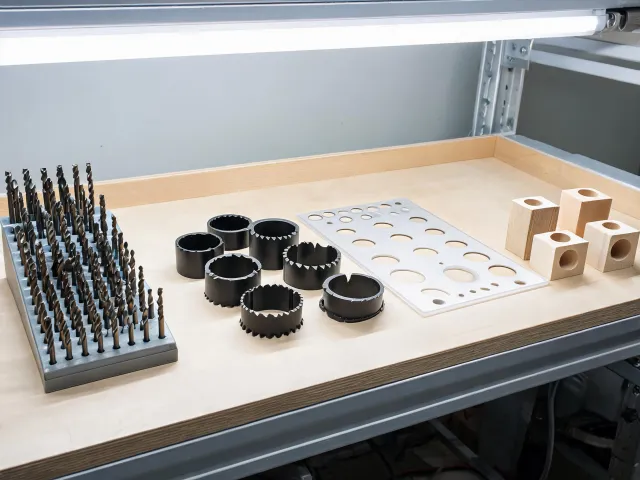
Clean holes, controlled countersinks, and repeatable cuts matter when hardware, panels, and fixtures need to line up under field conditions.
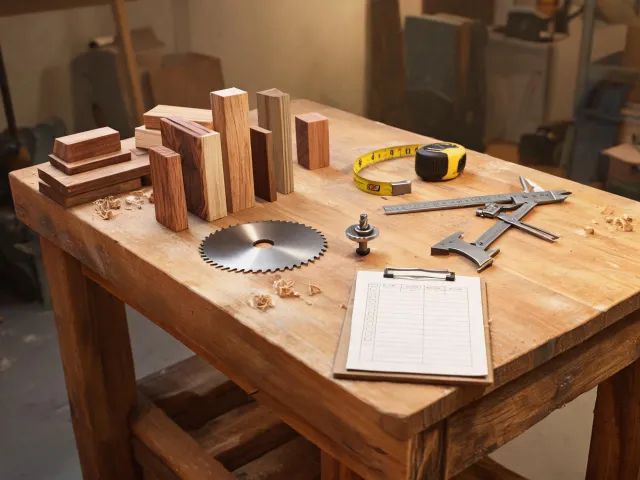
Short production runs require accessories that balance edge quality, predictable wear, and easy reorder conversations for the next batch.
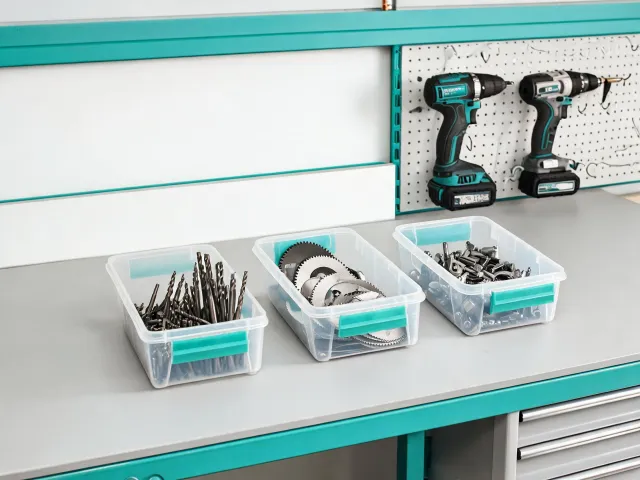
In-house teams need simple product groups and quick guidance when repairs involve mixed materials, limited downtime, and shared tools.
The details change from cabinet doors to trim work, but the Freud selection path asks the same useful questions: What material is being cut or shaped, which machine is being used, how clean must the finish be, and how often will the result repeat? Those checkpoints help every application page stay practical without drifting into unrelated industry language.
Freud guidance can start with a photo, a material description, a machine model, or a simple note about the finish problem you are trying to solve.